State of Menstrual Health in Taraba and Adamawa States
A contextual overview of menstrual health challenges, knowledge gaps, and access barriers affecting adolescent girls and women across selected communities.
Introduction
The State of Menstrual Health in Taraba and Adamawa States provides a contextual overview of menstrual health challenges, knowledge gaps, and access barriers affecting adolescent girls and women in selected communities.
This document is part of TIJCEF's research-driven approach to understanding community needs and informing evidence-based interventions across health, gender equity, climate action, and community wellbeing.
Research Context
Menstrual health remains a critical but under-addressed aspect of public health and gender equity in many rural and semi-urban communities in Taraba and Adamawa States. Key contributing factors include:
- ●Limited access to affordable menstrual hygiene products
- ●Inadequate menstrual health education in schools and communities
- ●Cultural stigma and misinformation surrounding menstruation
- ●Insufficient WASH (Water, Sanitation, and Hygiene) facilities in schools
Key Observations
Access to Menstrual Products
Many adolescent girls report inconsistent or no access to sanitary pads, often relying on improvised materials, which may not be safe or hygienic.
Knowledge and Awareness
A significant gap exists in menstrual health education, particularly among younger adolescents. Myths and misinformation continue to influence perceptions and practices.
School Attendance & Participation
Menstruation-related challenges contribute to absenteeism among girls, affecting their learning continuity and participation in school activities.
WASH Facilities
Many schools lack adequate water supply, private sanitation facilities, and disposal systems necessary for safe menstrual hygiene management.
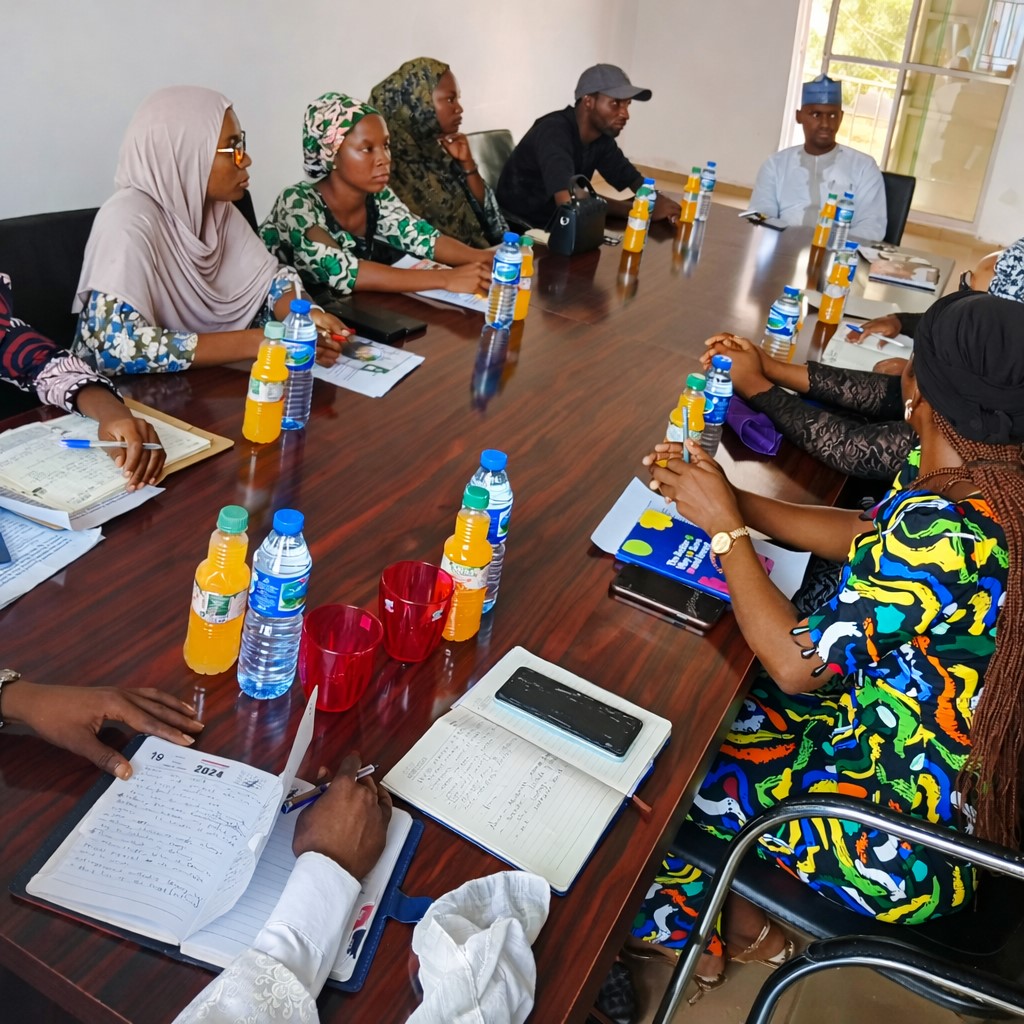
Community Insights
Engagements in selected communities reveal that:
- –Menstruation is often discussed in silence
- –Parents and guardians have limited structured knowledge to support girls
- –Girls desire more information and dignity-based support systems
- –Schools are seen as key entry points for change if adequately supported
Implications for TIJCEF Programming
The findings from Taraba and Adamawa States inform TIJCEF's interventions in:
Link to TIJCEF's Four Pillars
Health
Improving menstrual hygiene and wellbeing
Gender Equity
Reducing stigma and supporting girls' participation
Climate Action
Promoting sustainable sanitation and waste practices
Research
Strengthening evidence-based programming
Conclusion
The state-level menstrual health landscape in Taraba and Adamawa highlights urgent gaps but also significant opportunities for impact. TIJCEF remains committed to using research as a foundation for designing interventions that restore dignity, improve access, and strengthen community systems for adolescent girls and women.